10 Simple Home Decor Ideas to Refresh Your Space
Refreshing your home does not require a major renovation, expensive furniture, or a complete style overhaul. Often, a few thoughtful changes can make a […]
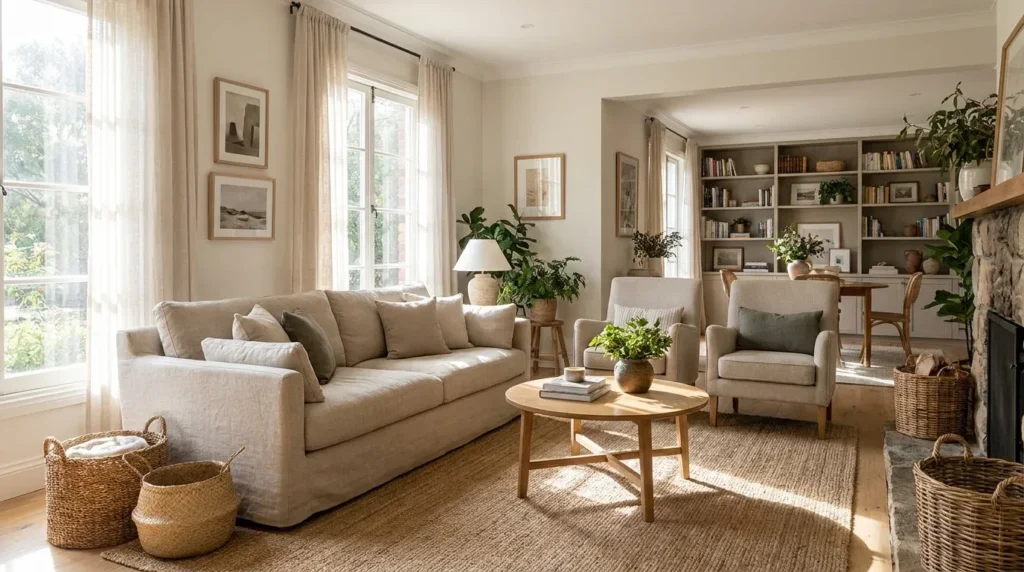
Refreshing your home does not require a major renovation, expensive furniture, or a complete style overhaul. Often, a few thoughtful changes can make a room feel brighter, more comfortable, and more personal. The key is to focus on details that have a noticeable visual impact while working with what you already own. From rearranging furniture and layering textiles to adding greenery and improving lighting, simple home decor ideas can transform everyday spaces without making them feel overdesigned. Whether you are decorating a small apartment, updating a family room, or preparing your home for a new season, these approachable ideas can help you create a space that feels intentional and inviting. Use the suggestions below as inspiration, then adapt them to your home’s layout, colors, budget, and personality.
1. Rearrange Your Furniture for a Fresh Layout
One of the easiest ways to refresh a room is to move the furniture you already have. A new arrangement can improve traffic flow, create better conversation areas, and make a familiar space feel completely different. Start by identifying the room’s natural focal point, such as a fireplace, large window, television, or architectural feature. Arrange seating so it feels connected rather than pushed against every available wall. In a living room, for example, placing a sofa opposite two chairs can create a more welcoming conversation area. Keep pathways open and avoid blocking doors or frequently used cabinets. Before moving heavy pieces, sketch a simple floor plan or use removable measurements to test proportions. Sometimes the best home decor refresh costs nothing at all.
2. Add Layers With Throw Pillows and Blankets
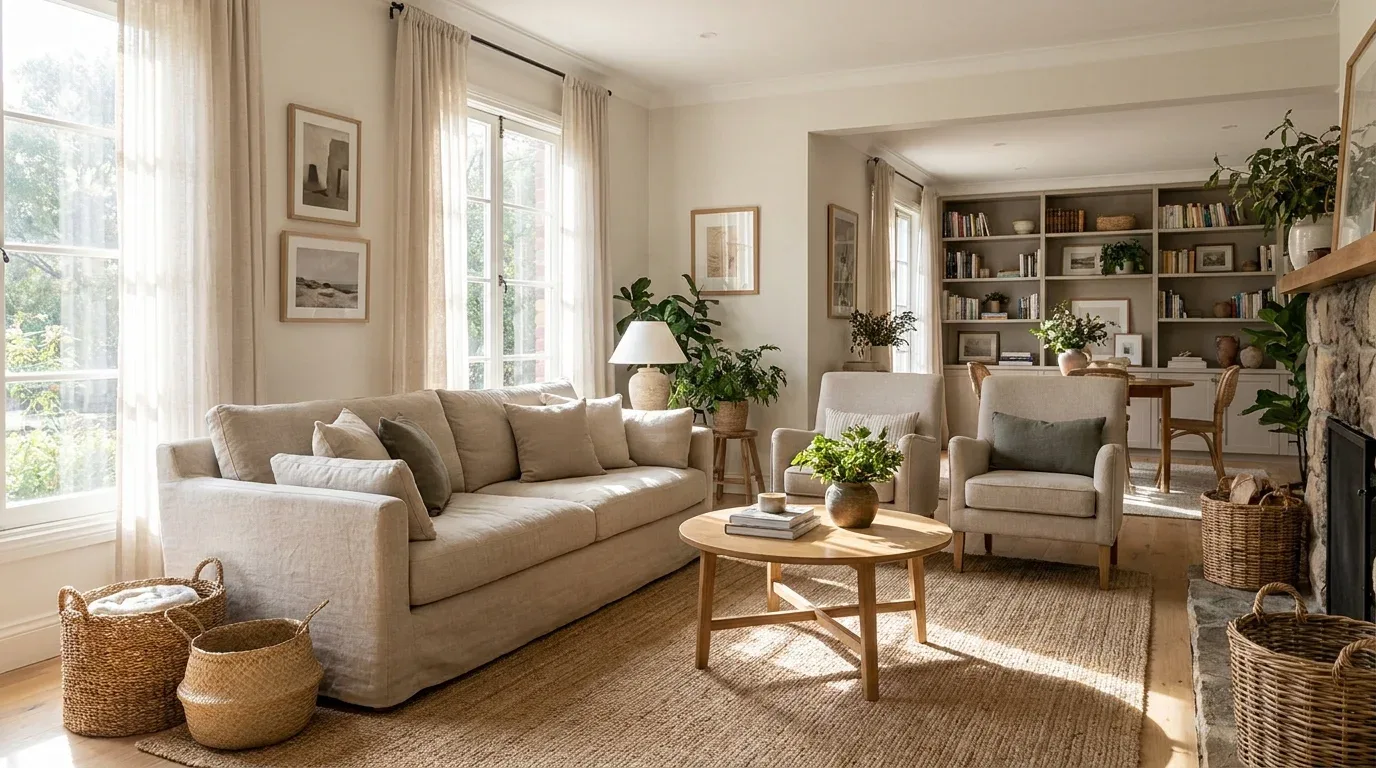
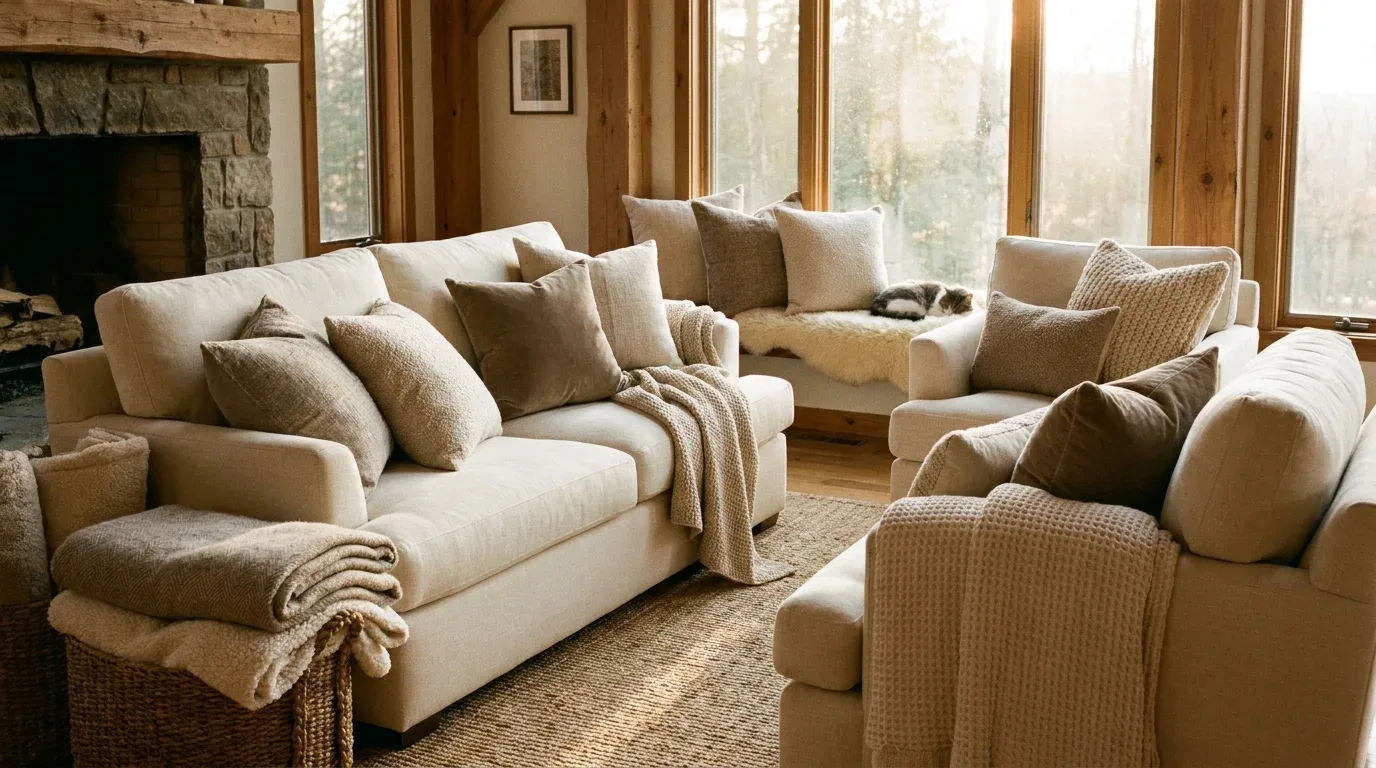
Soft furnishings are a simple way to introduce color, texture, and seasonal character without committing to permanent changes. Start with a neutral sofa or bed, then add a few throw pillows in complementary patterns, fabrics, or shades. Instead of choosing several nearly identical pillows, combine different textures such as linen, boucle, velvet, cotton, or woven materials. A folded throw blanket draped over the arm of a sofa or the end of a bed adds warmth while making the room look more finished. For a cohesive appearance, repeat one or two colors elsewhere in the space through artwork, rugs, or accessories. You can also rotate covers and blankets seasonally, making this one of the most practical budget-friendly home decor ideas for keeping a room feeling fresh throughout the year.
3. Bring in More Greenery
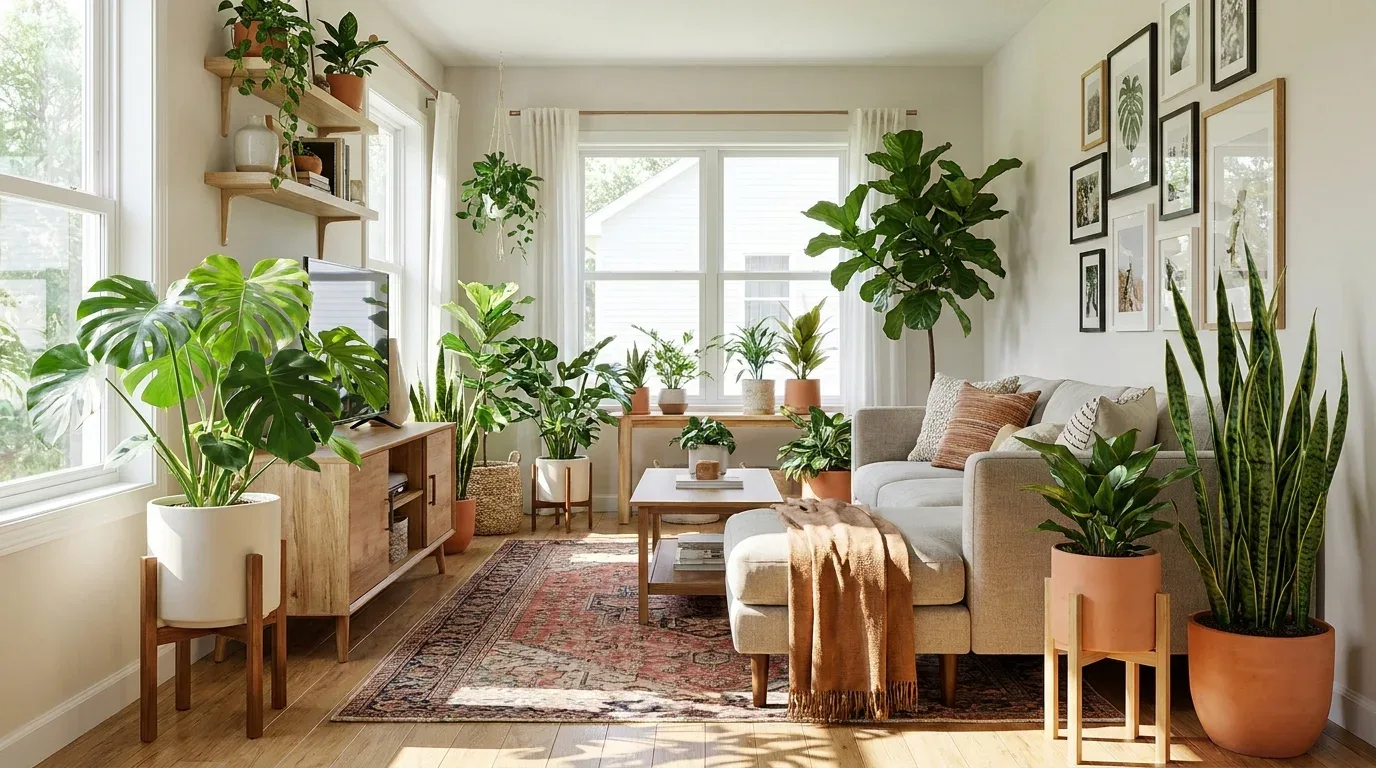
Plants can instantly make a room feel more lively and layered. You do not need a collection of rare houseplants to create the effect. A single large plant beside a sofa, console, or empty corner can add height and soften hard architectural lines. Smaller plants work well on shelves, nightstands, kitchen counters, and bathroom ledges. Choose varieties according to the amount of natural light available rather than selecting plants solely for appearance. If caring for live plants is difficult, high-quality faux greenery can still provide visual texture when used selectively. Attractive planters are also an opportunity to reinforce your decorating style through materials such as ceramic, terracotta, stone, or woven fibers. Grouping plants at different heights creates a more natural, collected look than placing everything at the same level.
4. Upgrade the Lighting
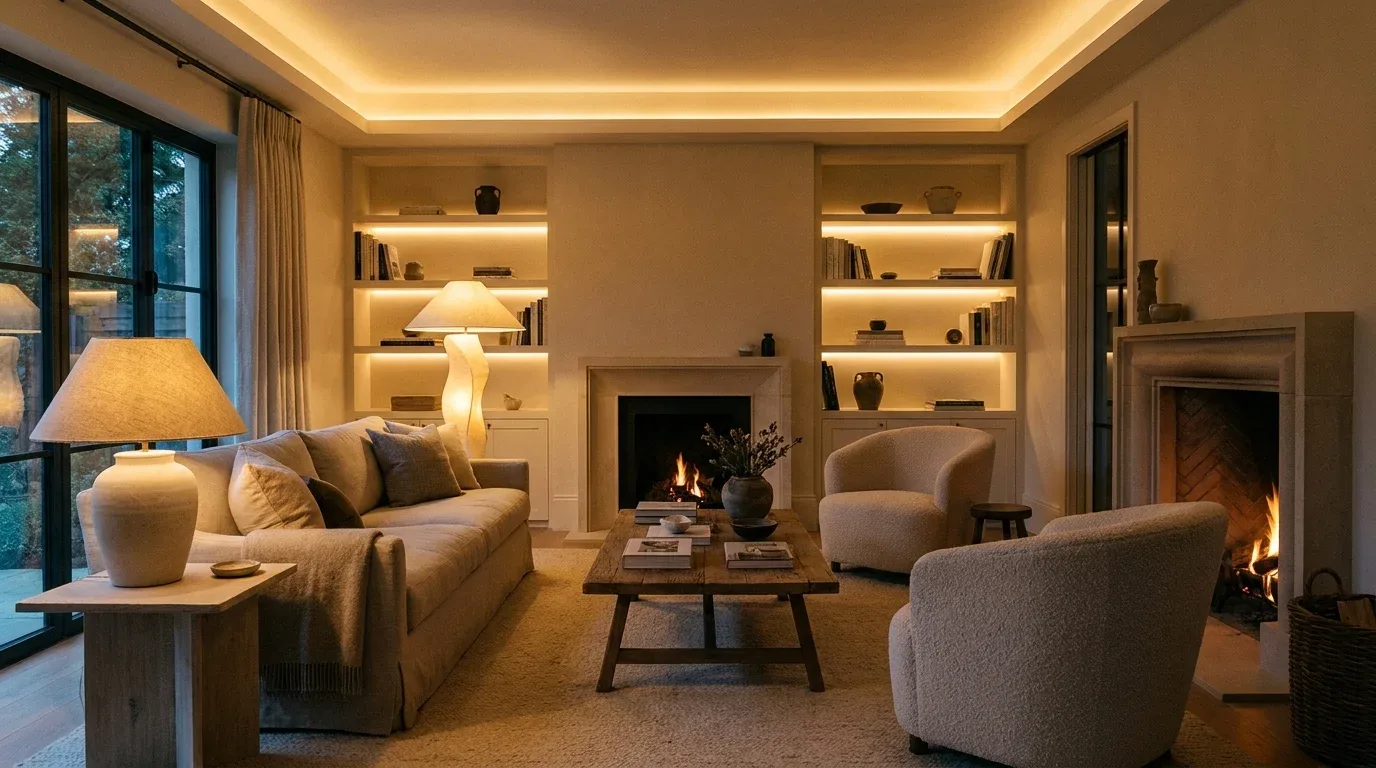
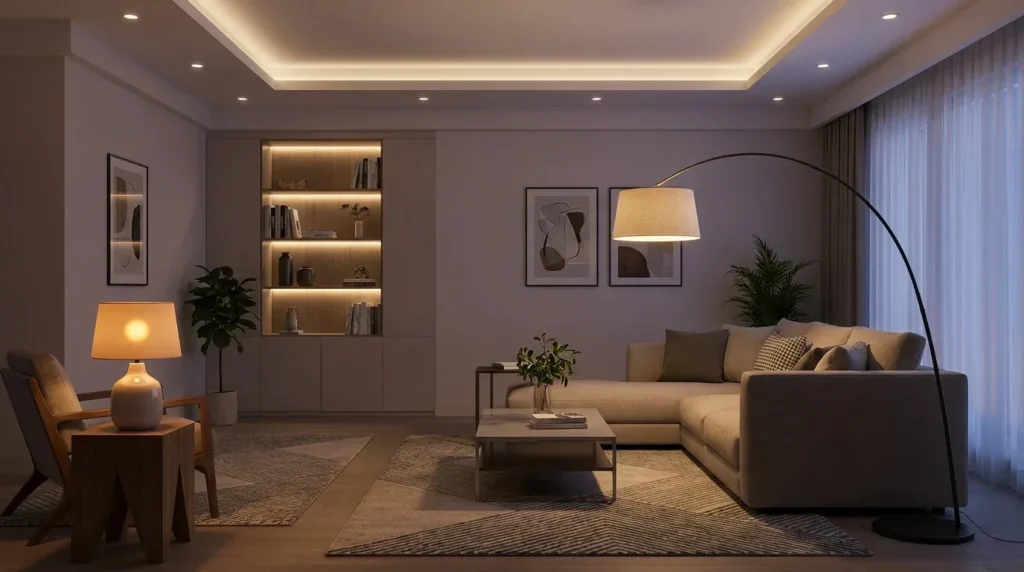
Good lighting can change the mood of an entire room, yet it is often overlooked when decorating. Instead of relying on one overhead fixture, create layers with ambient, task, and accent lighting. A floor lamp can brighten a dark reading corner, while a table lamp can make a console or nightstand feel more inviting. Warm-toned bulbs generally create a cozy atmosphere in living rooms and bedrooms, while brighter neutral lighting can be useful in kitchens, offices, and work areas. Consider the height and scale of each lamp as well. A small lamp can disappear on a large console, while an oversized fixture may overwhelm a compact table. Even changing lampshades or relocating existing lamps can produce a noticeable improvement without requiring a large decorating budget.
5. Create a Thoughtful Gallery Wall
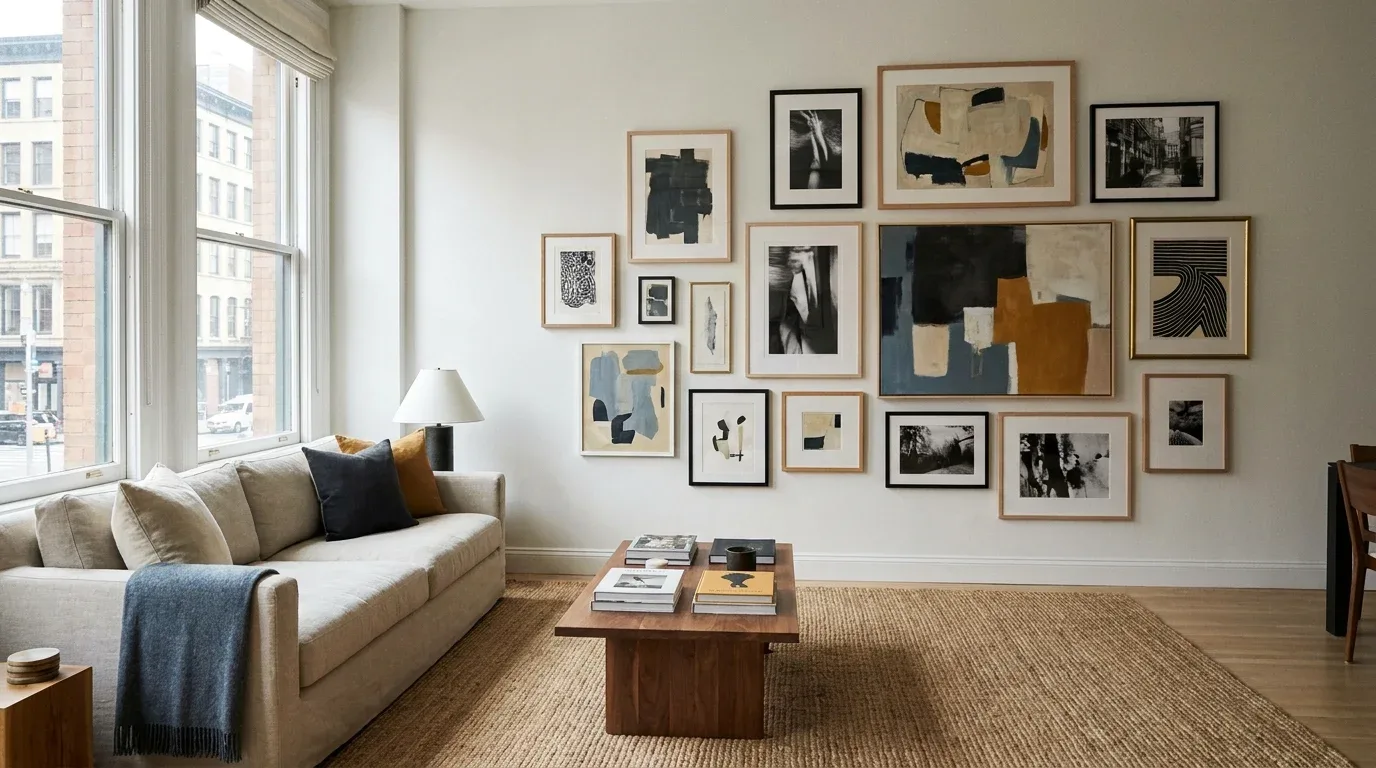
A gallery wall can turn an empty wall into a meaningful focal point while giving your home more personality. The trick is to create enough visual connection between the pieces without making everything match perfectly. You might combine family photographs, artwork, vintage finds, botanical prints, or simple typography. Choose a common element, such as a shared color palette, frame finish, or subject matter, to keep the arrangement cohesive. Before hanging anything, lay the pieces on the floor and experiment with spacing. For a polished result, keep the outer edges of the arrangement relatively balanced even when the individual frames vary in size. If you prefer a less permanent approach, lean framed artwork on a shelf or console and layer smaller pieces in front for an effortlessly collected look.
6. Refresh a Room With a Rug
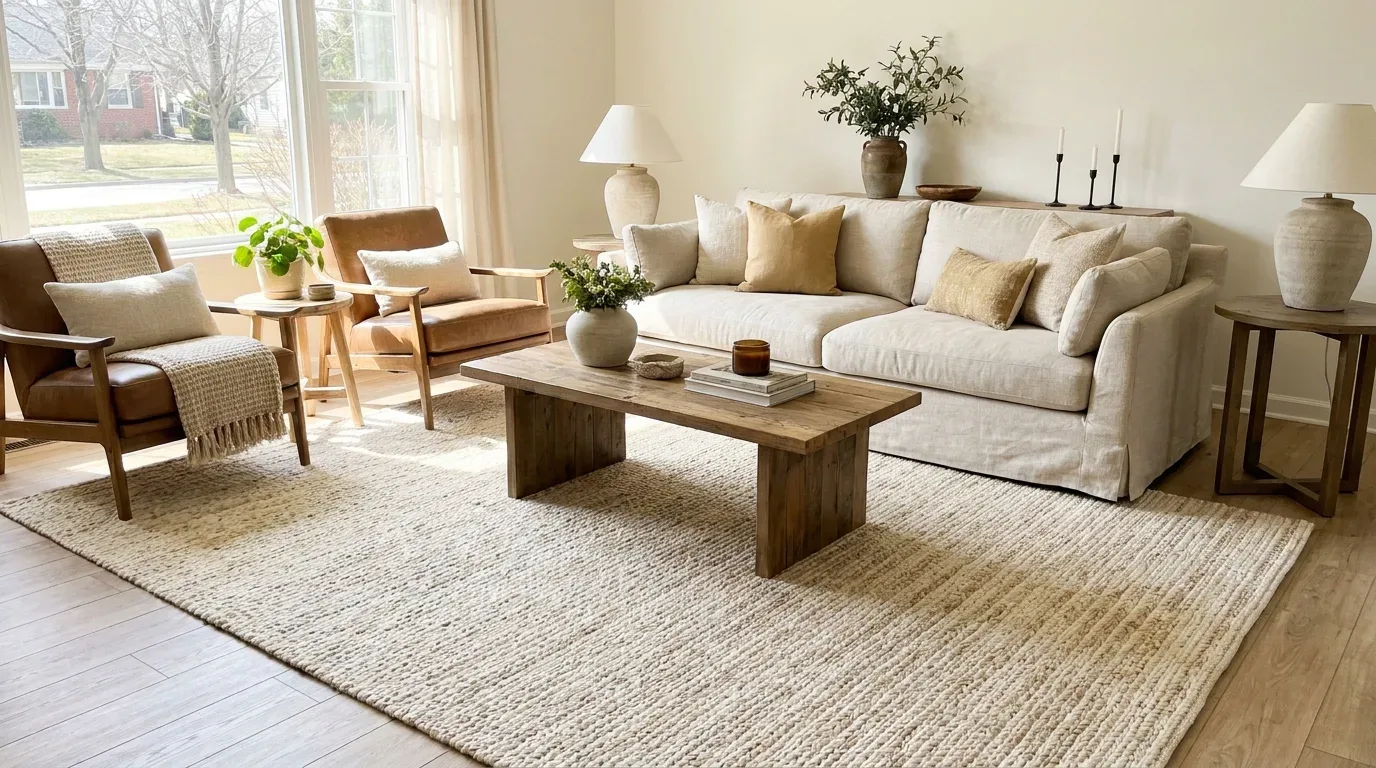
A well-chosen rug can visually anchor furniture and make a room feel warmer and more complete. When selecting one, consider both the room’s dimensions and the furniture arrangement. In a living room, a rug that extends beneath at least the front legs of the main seating usually creates a stronger connection than a tiny rug floating in the center. For bedrooms, choose a size that extends beyond the sides and foot of the bed when possible. Patterned rugs can energize neutral rooms, while solid or subtly textured designs can calm spaces that already contain several colors and patterns. If a large rug is outside your budget, use a smaller design in an entryway, reading nook, or under a coffee table. Changing one rug can make familiar furniture feel new again.
7. Style Shelves With Intention
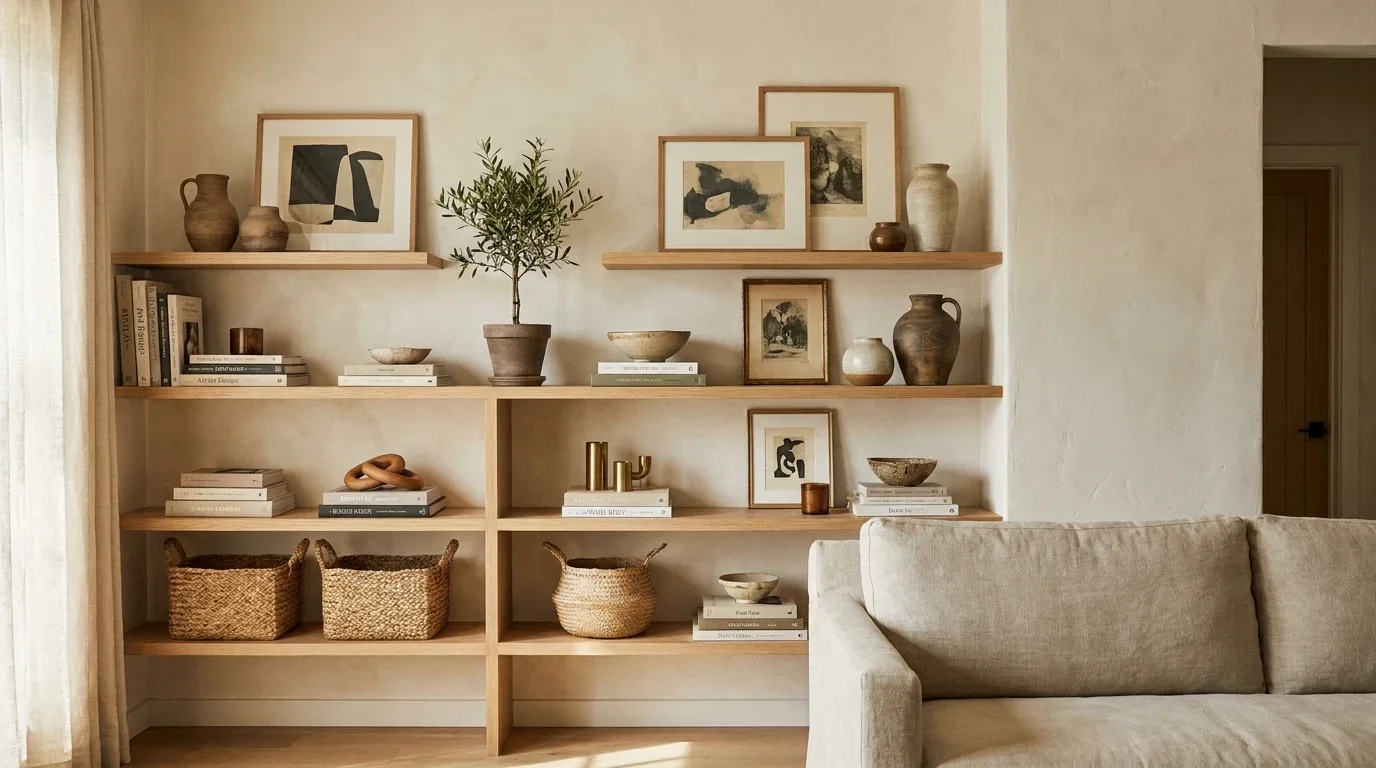
Open shelves are useful decorating opportunities, but they can quickly become cluttered. Instead of filling every available space, combine practical objects with decorative pieces and leave some breathing room around them. Start with a few larger anchors, such as a framed print, vase, basket, or stack of books. Then add smaller objects to create variation in height and scale. Repeating materials or colors across different shelves helps the arrangement feel connected. Books can be displayed vertically or stacked horizontally to create different levels, while plants and sculptural objects add organic shapes. Avoid arranging everything symmetrically; slight variations tend to look more natural. Step back regularly as you style the shelves and remove anything that does not contribute to the overall look or serve a useful purpose.
8. Use Mirrors to Reflect Light and Space
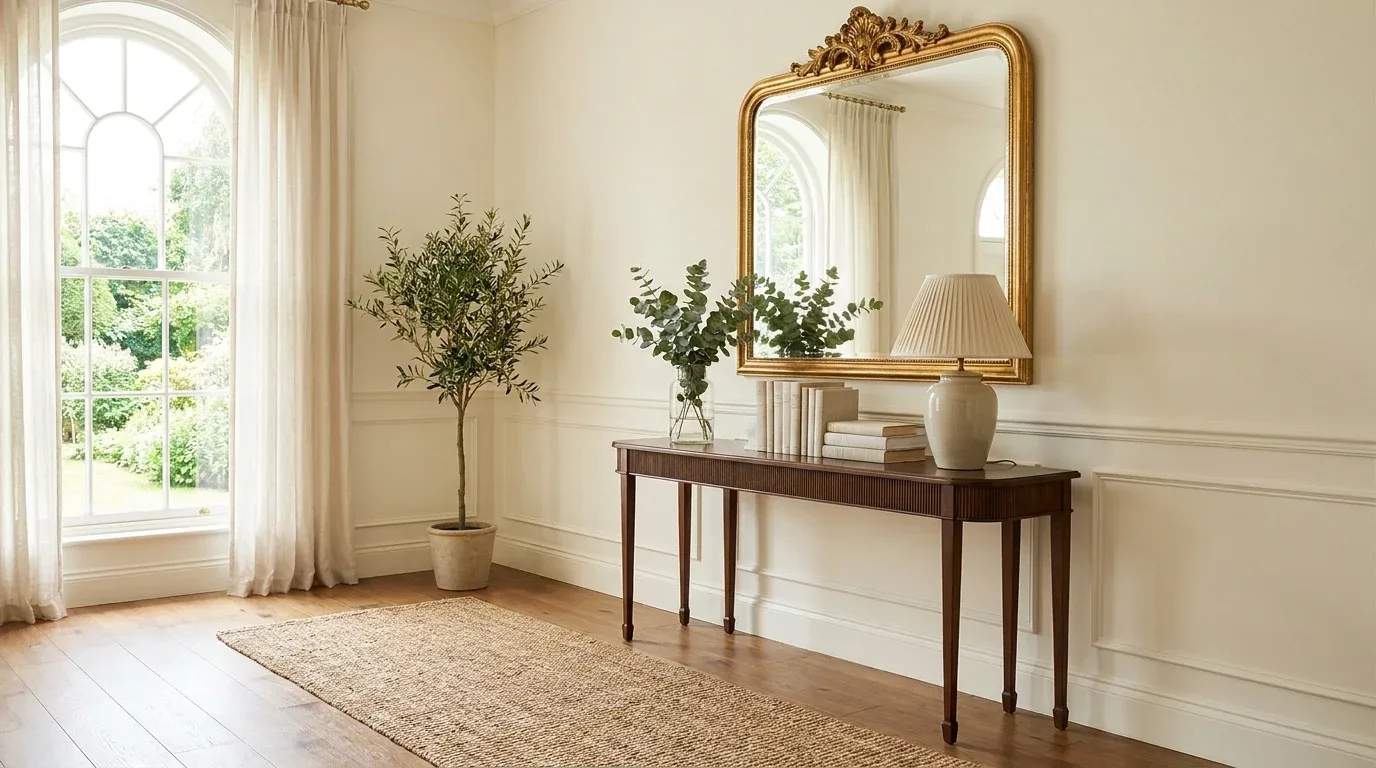
Mirrors are both decorative and functional, making them particularly useful in smaller or darker rooms. A large mirror opposite or near a window can reflect natural light and create the impression of greater openness. In an entryway, a mirror provides a convenient final check before leaving while making the space feel more finished. Choose a frame that supports the room’s existing style, whether that means warm wood, aged metal, clean black lines, or an ornate finish. Scale matters: a tiny mirror can look lost above a large console, while a generously sized piece can become a strong focal point. You can also group smaller mirrors together for a more collected arrangement. Keep the reflected view in mind when choosing placement so the mirror highlights something attractive rather than visual clutter.
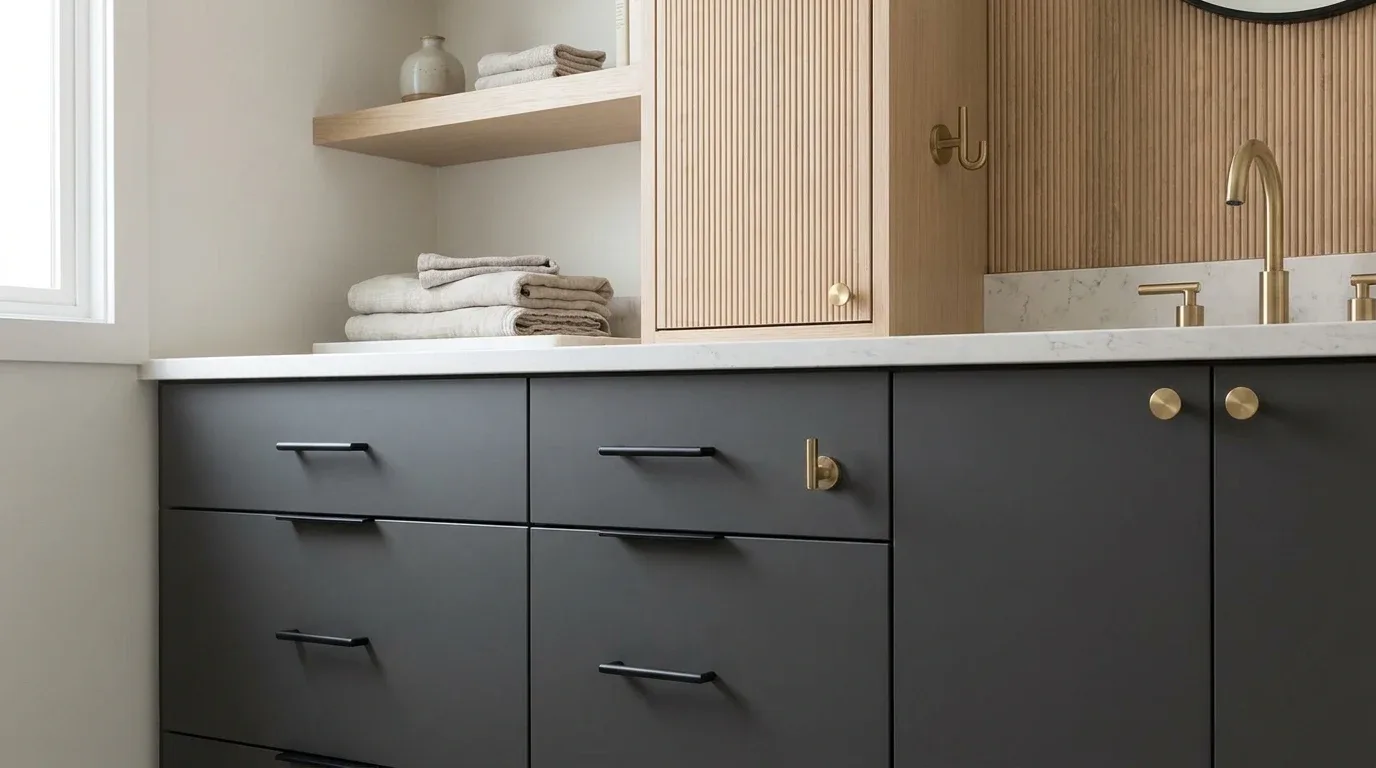
9. Refresh Small Details With New Hardware
Changing cabinet knobs, drawer pulls, or other small hardware can give familiar furniture a surprisingly different appearance. This is especially effective in kitchens, bathrooms, home offices, and entryway storage. Sleek metal pulls can make older cabinetry feel more contemporary, while brass, bronze, ceramic, or wood hardware can introduce warmth and character. Before buying replacements, measure the existing hardware carefully, particularly the distance between screw holes on drawer pulls. If you are updating several pieces, choose a finish that works with other visible metals in the room, but do not feel obligated to make every metal identical. Mixing finishes can look intentional when repeated thoughtfully. Because hardware is relatively easy to replace, it is a practical way to experiment with a new decorating direction without purchasing entirely new furniture.
10. Create a Seasonal Decor Moment
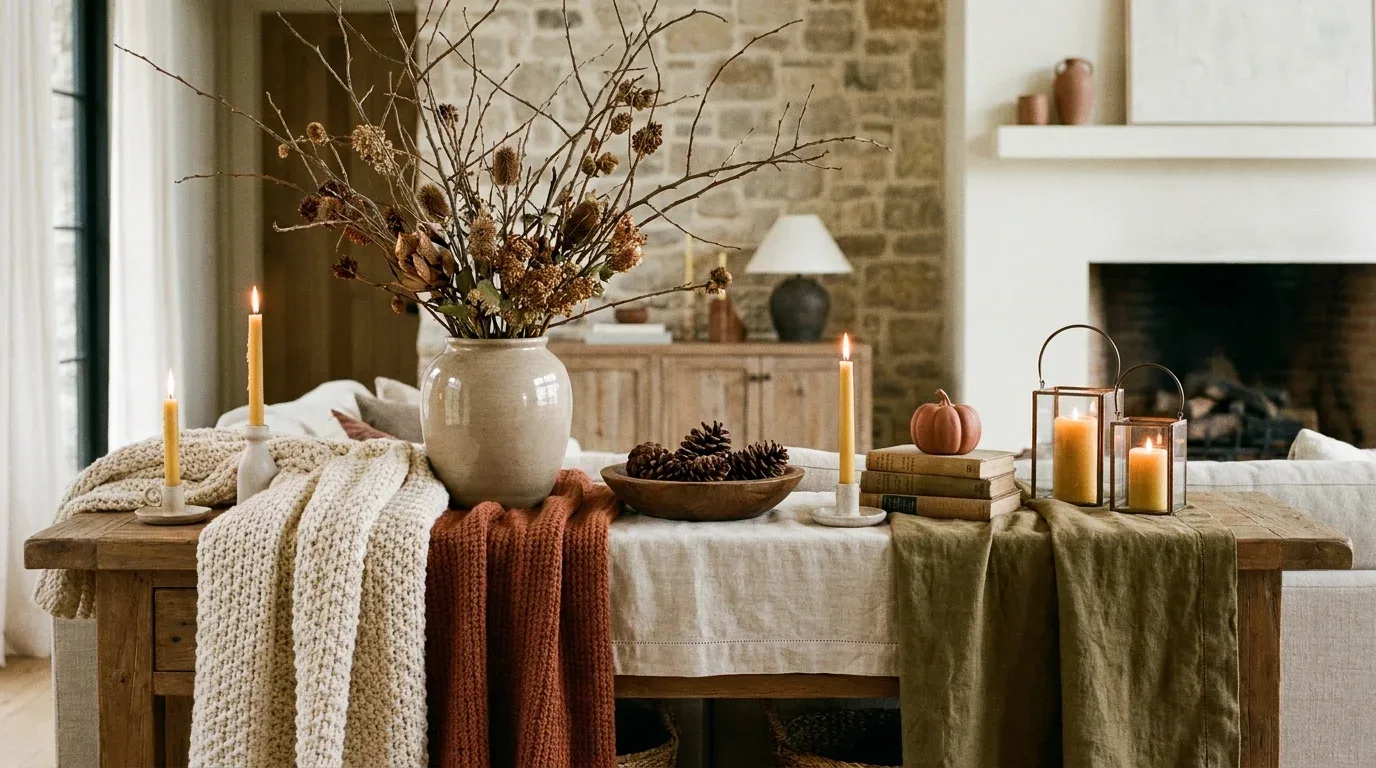
You do not need to redecorate your entire home whenever the season changes. Instead, create one or two small seasonal moments using items that are easy to switch. In spring, fresh branches, light textiles, and botanical accents can brighten a room. Summer may call for woven textures and airy fabrics, while autumn can introduce warmer tones, natural wood, and cozy throws. During winter, candles, evergreen branches, textured blankets, and softly glowing lights can create a comfortable atmosphere. Keep larger furniture and major finishes relatively timeless, then use smaller accessories to reflect the season. A console table, dining table, mantel, entryway, or coffee table is often enough to establish a seasonal mood. This approach keeps decorating manageable, reduces storage demands, and allows your home to evolve naturally throughout the year.
Make Your Home Feel Refreshed Without Starting Over
A successful home refresh is less about buying more and more about making intentional choices with what you already have. Rearranging furniture, adding texture, improving lighting, introducing greenery, and updating a few decorative details can create meaningful change without a major investment. Start with the room that feels least inviting and choose one or two ideas that address its biggest weakness. Give yourself time to live with each change before adding something else. The goal is not to create a perfectly styled room, but a home that feels comfortable, functional, and reflective of the people who live there. With a thoughtful approach, even small decorating changes can make familiar spaces feel brighter, more cohesive, and wonderfully new.
 How to Make Your Home Look Expensive on a Budget